
Upfit Confidence for Pueblo, CO Businesses - Why the 2026 RAM 5500 Chassis Cab Is Built to Adapt
Posted at Wed, Jul 15, 2026 8:34 AM
Perkins Motors - Upfit Confidence for Pueblo, CO Businesses - Why the 2026 RAM 5500 Chassis Cab Is Built to Adapt
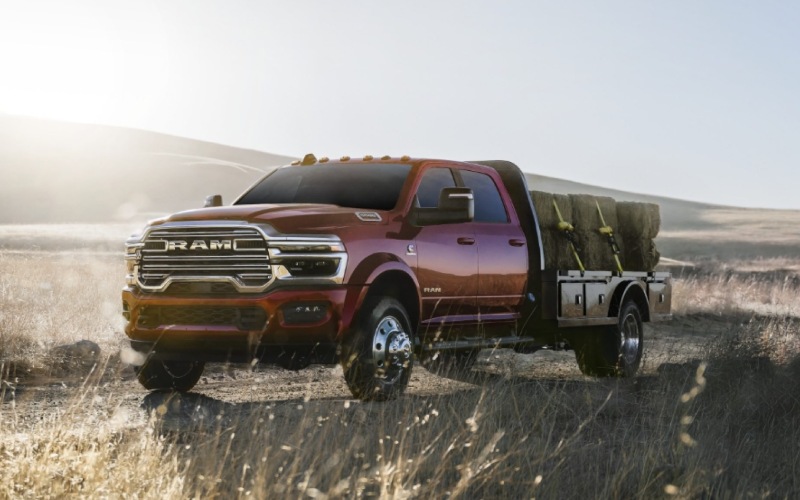
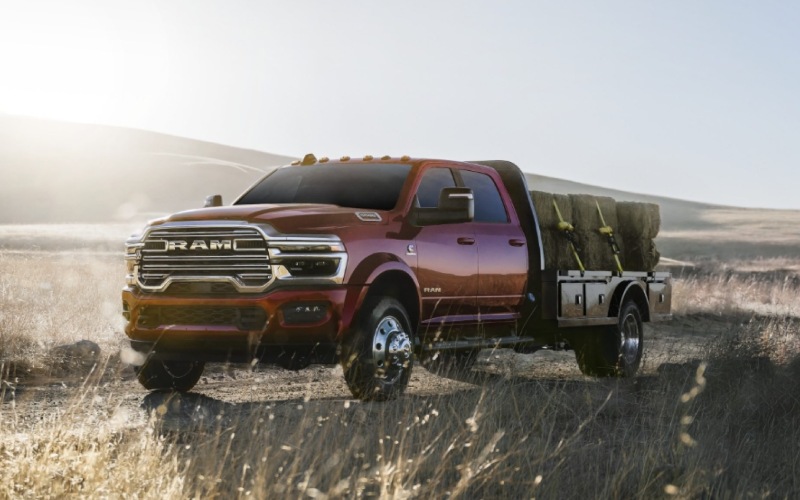
For many commercial buyers, the most important part of a chassis cab is not simply what it can do on day one. The bigger question is what it can become. A plumbing company may need enclosed tool storage, a construction crew may need a flatbed, a municipality may need a dump body, and a mobile repair business may need organized compartments, power access, lighting, and secure equipment space. That is where the 2026 RAM 5500 Chassis Cab becomes especially compelling. It is engineered as a serious vocational platform, giving business owners a foundation that can be configured around real jobs instead of forcing crews to work around a generic truck layout.
A standard pickup bed can be useful, but a chassis cab gives operators more freedom. The Ram Chassis Cab exterior is built to be versatile, durable, and easily upfitted, which matters when a truck must serve as a mobile workshop, towing platform, materials hauler, or specialized service unit. For shoppers comparing commercial vehicles, this adaptability can be the deciding factor. The right upfit can reduce wasted movement, protect tools, improve jobsite organization, and help a crew complete more work with fewer delays. When the truck is matched correctly to the application, it becomes part of the business workflow rather than just transportation.
Why Upfit Planning Should Come First
Before choosing an engine, cab layout, or financing path, it helps to start with the body and equipment the truck will carry. A chassis cab purchase should begin with questions such as: What tools must be accessible every day? Will the truck tow a trailer? Will the body carry fluids, compressors, generators, ladders, tanks, or raw materials? How much weight will be added after the upfit is complete? These questions guide the right configuration and help avoid choosing a truck that looks capable but does not fully match the finished build.
The Ram Body Builder’s Guide is a valuable resource because it contains safety, security, towing, payload, GCWR, emissions, electrical data, and dimensional graphics to support model selection and commercial modification planning. That type of information matters for upfitters and business owners who want the finished vehicle to perform as expected. A well-planned build can improve weight distribution, preserve accessibility, and support long-term serviceability. It can also help owners think through future needs, such as adding more storage, installing specialized lighting, or choosing a body that can adapt as contracts change.
Powertrains Built for Real Work
Capability is only useful when the truck has the powertrain to support the job. The 2026 Ram Chassis Cab offers two available engines, each with a distinct advantage. The available 6.7L Cummins® Turbo Diesel I6 engine delivers 800 pound-feet of maximum torque, 360 maximum horsepower, and a maximum trailering capacity of 34,540 pounds. For businesses that tow heavy equipment, move loaded trailers, or operate with substantial body weight, the diesel engine offers the low-end strength many commercial drivers value. It is a natural fit for demanding towing and high-load applications.
The available 6.4L HEMI® V8 engine is another strong option, producing 429 pound-feet of maximum torque, 375 maximum horsepower, and a maximum trailering capacity of 21,240 pounds. Some businesses prefer a gas engine for certain duty cycles, shorter routes, or specific maintenance preferences. The key is not simply choosing the most powerful engine; it is choosing the powertrain that fits your daily workload. A fleet manager, owner-operator, or department buyer should consider trailer weight, idle time, route length, terrain, expected payload, and service patterns before deciding.
Common Upfit Paths for the Ram 5500 Chassis Cab
The 5500 Chassis Cab can support a wide range of vocational bodies, which is why it appeals to so many industries serving Pueblo, Castle Rock, and Centennial. The right body depends on the crew, cargo, tools, and job type, but several configurations are especially common among commercial buyers who need more than a conventional pickup.
- Service body: Ideal for contractors, technicians, and mobile repair teams that need secure compartments and organized tool access
- Flatbed body: Useful for hauling pallets, construction materials, equipment, and oversized cargo that does not fit neatly in an enclosed space
- Dump body: Helpful for landscaping, site prep, cleanup, municipal work, and material transport where unloading efficiency matters
- Utility body: A strong match for electrical, plumbing, telecom, and maintenance crews carrying specialized equipment
- Platform or stake body: Practical for businesses that move bulky materials and need flexible side access
Each body style changes the way the vehicle works, so upfit decisions should be made early. A flatbed may prioritize loading flexibility, while a service body may focus on compartment layout. A dump body may need hydraulic considerations, while a utility body may require ladder racks, lighting, or power solutions. The best configuration is the one that makes daily tasks easier for the people using the truck.
Cab Technology That Helps Crews Stay Organized
Heavy-duty capability is important, but modern work trucks also need smart cabin technology. The 2026 Ram Chassis Cab offers a high-definition 12-inch Uconnect® touchscreen and smart available cabin technology, giving drivers and crews a more connected workspace. For a commercial driver, that can mean easier access to navigation, communication, and vehicle information during a busy schedule. When crews move between job sites, supply houses, customer locations, and fleet yards, a clear and responsive interface can help reduce friction throughout the day.
The interior is also designed with heavy-duty materials and ample storage options. That matters because work trucks are not used like weekend vehicles. They collect paperwork, tablets, gloves, chargers, small tools, safety gear, and personal items throughout the day. A cabin that supports organization can make a noticeable difference, especially when multiple drivers share a vehicle or when a crew uses the cab as a mobile office between appointments.
Safety and Confidence in a Larger Work Truck
Driving a vocational truck requires awareness, especially when the vehicle is carrying a large body, towing a trailer, or operating in tight jobsite conditions. The Ram Chassis Cab offers available Adaptive Forward Lighting, available Forward Collision Warning, and other helpful features to support driver confidence. These technologies are not a replacement for attentive driving, but they can add useful assistance when operating a heavy-duty vehicle in changing traffic patterns or complex work environments.
For businesses, safety features also support professionalism. A truck that helps the driver feel more confident can benefit the crew, the cargo, and the customers waiting on the service call. When a vehicle is part of a company’s public image, capability and confidence both matter. The Ram 5500 Chassis Cab brings together strength, smart available technology, and a work-focused layout that can make a positive impression on the road and at the jobsite.
Lease or Finance for an Upfitted Chassis Cab?
Upfit plans often influence whether leasing or financing makes more sense. Financing is frequently the preferred option when a buyer wants permanent equipment, high mileage flexibility, or long-term ownership. Many commercial bodies are designed around a specific business process, and owners may want to keep that investment in service for many years. Financing also gives businesses more freedom to add storage, racks, lighting, decals, specialty equipment, and other modifications that become part of the truck’s working identity.
Leasing may still be worth exploring for businesses with predictable use, controlled mileage, and a desire to refresh equipment on a regular cycle. The details matter, especially with commercial upfits, so it is important to confirm what is allowed and how the vehicle must be returned. Perkins Motors can help shoppers compare both options and think through engine selection, body plans, mileage expectations, and long-term service needs before making a final decision.
Frequently Asked Questions:
Is the 6.7L Cummins® Turbo Diesel I6 best for every upfit?
Not always. It is excellent for heavy towing and high-torque needs, but the available 6.4L HEMI® V8 may fit certain routes, payloads, and operating preferences better.
Can I use the Ram Body Builder’s Guide before choosing a truck?
Yes. It is designed to help upfitters and buyers review important data before selecting a model and planning commercial modifications.
Does a chassis cab make sense for a small business?
Yes, if the business needs specialized storage, towing, payload capacity, or a body style that a standard pickup cannot provide.
What should I decide before ordering an upfit?
Start with intended payload, trailer use, tool storage, jobsite access, daily mileage, crew needs, and whether the vehicle will be kept long term.


