
Jeep® SUVs vs Toyota SUVs for Windy Freeze-Thaw Commutes near Centennial, CO
Posted at Tue, Mar 31, 2026 4:44 PM
Perkins Motors - Jeep® SUVs vs Toyota SUVs for Windy Freeze-Thaw Commutes near Centennial, CO
Front Range drivers know the drill—bright sun on E-470 at lunch, slush by school pickup, black ice after sunset. In this unpredictable rhythm, shoppers around Centennial often narrow the search to two proven names: Jeep® SUVs and Toyota SUVs. At Perkins Motors, we help neighbors choose a vehicle that handles weekday pavement along Arapahoe Road just as confidently as weekend gravel up to Waterton Canyon or a muddy turnoff near Cherry Creek State Park. This comparison focuses on a very Colorado question—how each brand manages our windy, freeze-thaw conditions and frequent transitions from dry streets to rutted, washboard county roads—so you can select with confidence.
Our team’s perspective comes from living and driving these roads daily, plus decades of pairing customers with capability that feels effortless in real life. Both brands offer strong reliability and a range of choices, from family-friendly two- and three-row SUVs to trail-focused 4x4s. The core difference sits in each brand’s philosophy: Jeep builds from an all-terrain heritage across the lineup, while Toyota splits the SUV portfolio between everyday crossovers and a subset of off-road specialists. When those Centennial winds kick up and road surfaces change by the hour, the details inside each traction system matter.
To ground the discussion in local reality, here are the common conditions we ask customers about before recommending a setup, whether you lean Jeep or Toyota:
- Rapid freeze-thaw: Morning frost and late-day melt create thin, variable ice—especially on shaded neighborhood streets and ramps onto I-25.
- Front Range wind: Gusts over open lanes on E-470 demand surefooted lane stability and calm steering corrections.
- Plow berms and ruts: After a snow, the ridge at the end of the driveway and uneven side streets reward extra ground clearance and immediate low-speed traction.
- Washboarded gravel: Access roads to trailheads near Roxborough and beyond feel bouncy—suspension tuning and wheel articulation keep the cabin settled and the tires planted.
- Spring mud: Shoulder season mixes runoff and clay along county roads—selectable terrain modes and proper tires keep momentum without drama.
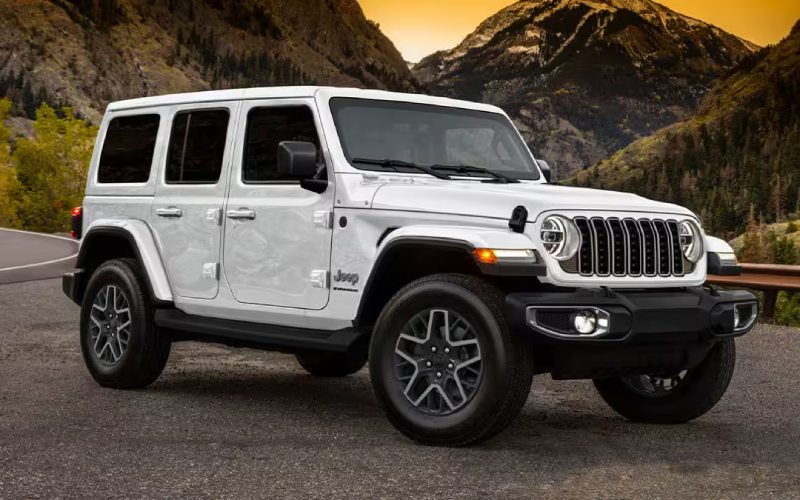
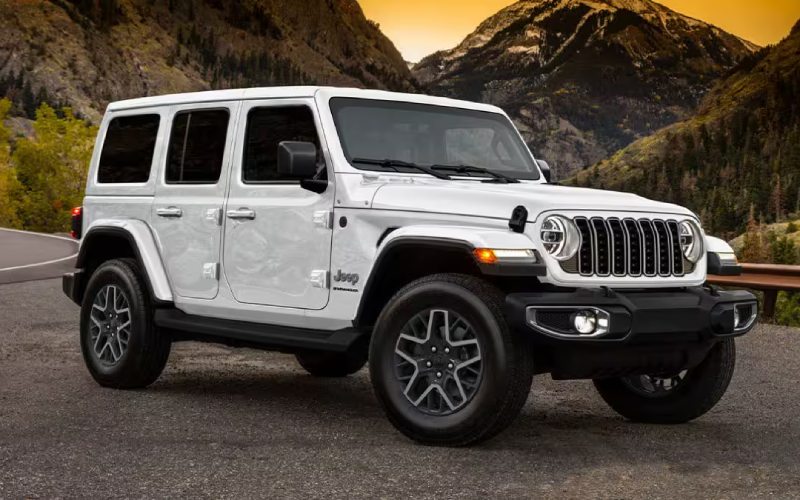
Jeep SUVs approach these scenarios with capability-first engineering. Wrangler and Gladiator embrace open-air 4x4 freedom, while Grand Cherokee, Compass, and other models prioritize composed highway manners paired with real off-road hardware. Trail Rated models earn that badge through testing in traction, water fording, articulation, ground clearance, and maneuverability. Systems like Quadra-Trac I and Quadra-Trac II deliver automatic, full-time 4x4 grip on changing surfaces, while Quadra-Drive II adds an electronic limited-slip rear differential that can proactively send torque to the tire with traction. Rock-Trac and Command-Trac part-time 4x4 systems keep control in your hands for tougher terrain. On mixed winter days, Selec-Terrain drive modes help match throttle, transmission, and traction control to Snow, Mud/Sand, Rock, or Auto with a simple console dial.
Toyota SUVs are well-regarded and versatile. Many crossovers—like RAV4, Highlander, and Grand Highlander—focus on on-road comfort with available all-wheel drive. Off-road specialists—such as 4Runner and Land Cruiser—add hardware like a two-speed transfer case, available locking differentials, Multi-Terrain Select, Crawl Control, and a Multi-Terrain Monitor. That division gives shoppers a wide spectrum, but also requires narrowing to the right subset for Centennial’s worst days. For instance, an AWD crossover tuned for efficiency may feel great on dry I-25 yet run out of traction options sooner on muddy ruts than a Jeep model with a dedicated low range and articulating suspension.
When conditions shift hour by hour, Jeep systems often challenge surfaces rather than merely reacting to them. Here is how that shows up behind the wheel:
- Full-time 4x4 confidence: Quadra-Trac I and Quadra-Trac II seamlessly apply torque before wheelspin escalates—ideal for patchy black ice on County Line Road and quick lane changes in gusty crosswinds.
- Proactive rear-axle torque: Quadra-Drive II can move power side to side across the rear axle to keep the vehicle pulling straight when one tire hits slush and the other stays on dry pavement.
- Selectable terrain logic: Selec-Terrain tailors throttle and shift mapping for Snow or Mud/Sand, helping preserve momentum without abrupt inputs when slop or washboard surprises the route.
- Trail Rated geometry: Additional ground clearance and approach-departure angles reduce bumper scraping on plow berms and uneven parking-lot piles after Centennial storms.
- Useful trail tech: Available Off-Road Pages and forward trail cameras assist line choice on rutted access roads so a simple Saturday hike does not become a dig-out session.
Daily comfort matters just as much. Jeep Grand Cherokee and other modern Jeep SUVs are impressively quiet and composed at 65 mph, even in crosswinds. Uconnect 5 is fast to respond with a clean interface, natural smartphone integration, and available features like a front passenger screen on select models for co-pilot navigation duties. Toyota infotainment has improved quickly as well, and Toyota Safety Sense driver-assistance tech is excellent. In practice, both brands now deliver the ease, visibility, and driver aids Centennial families expect for school runs, commutes to the Denver Tech Center, and weekend escapes.
Electrification is a key differentiator. Jeep 4xe plug-in hybrid models—such as Wrangler 4xe and Grand Cherokee 4xe—pair instant electric torque with proven 4x4 hardware and Trail Rated engineering on select trims. That combination suits Centennial life: all-electric around-town errands, then confident hybrid power on slushy grades up Highway 285. Regenerative braking helps add control on long descents and recovers energy on rolling terrain. Toyota continues to lead in hybrid breadth—RAV4 Hybrid, Highlander Hybrid, and others deliver excellent efficiency—and offers a plug-in RAV4 Prime. For mixed-surface driving that regularly nudges beyond maintained pavement, we appreciate how Jeep blends low-range gearing and robust off-road components with electrified torque delivery.
Winter confidence still comes down to a simple truth: the right tires on a system designed for imperfect traction. Many Toyota AWD crossovers optimize for fuel economy and smoothness on clear roads—great tradeoffs for routine commuting. Jeep’s availability of full-time 4x4 with a rear-biased feel, plus selections with real low range and generous articulation, pays dividends the day a wind-blown drift hides a deep rut along a frontage road. That does not make Toyota the wrong choice—Land Cruiser and 4Runner remain formidable—but shoppers comparing mainstream crossovers to mainstream Jeeps will notice the extra margin Jeep builds in for uneven surfaces.
If you prefer a quick decision framework, here is how we guide test drives for Centennial conditions:
- Start with surfaces: List where your SUV will spend 80 percent of miles—E-470, I-25, neighborhood cul-de-sacs—and where the remaining 20 percent gets tricky—gravel to Waterton, muddy parking lots, plow berms.
- Match the drivetrain: Choose full-time 4x4 or a capable AWD tuned for winter, then confirm a Snow mode and, if possible, a two-speed transfer case for real off-pavement confidence.
- Check angles and clearance: If berms, ruts, and unplowed drives are regulars, prioritize ground clearance and protective underbody elements.
- Plan for wind: Test at highway speeds on a breezy day—assess lane stability, steering weight, and cabin calm.
- Consider electrified torque: For short commutes and weekend trails, evaluate Jeep 4xe for instant response and quiet EV driving during daily errands.
Body style and lifestyle preferences can seal the choice. For open-air driving to Red Rocks or fall colors on Rampart Range Road, only Jeep offers removable-door and removable-top freedom in Wrangler—an experience unmatched by Toyota. For three-row space with authentic 4x4 credibility, Jeep Grand Cherokee L brings winter-ready traction and family-first comfort. If your priority is a crossover that feels effortless on paved miles with occasional light gravel, Toyota’s AWD crossovers make sense. If washboards and spring mud are part of the plan, Jeep’s deeper bench of full-time 4x4 and Trail Rated options creates more margin for those unpredictable Front Range afternoons.
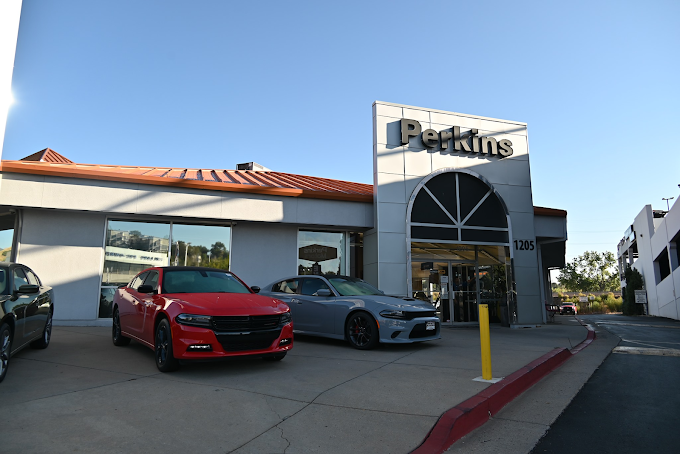
At Perkins Motors, our role is to translate this capability into your daily routine. We welcome shoppers from Centennial to our Colorado Springs showroom—a straight shot down I-25—to compare Jeep SUVs side by side and talk through your exact routes and routines. Our team can also map features to use cases, help equip proper all-weather tires, and set you up with service support for the long haul. A short drive now can pay back years of confidence every time the forecast changes between lunch and dinner.
Frequently Asked Questions:
Are all Jeep SUVs Trail Rated?
Trail Rated is reserved for specific Jeep models and trims that pass tests in traction, water fording, articulation, ground clearance, and maneuverability. Wrangler models and many off-road-focused trims like Trailhawk variants earn the badge, while highway-focused trims may not carry it.
What is the difference between Jeep full-time 4x4 and typical AWD?
Jeep full-time 4x4 systems such as Quadra-Trac I or Quadra-Trac II continuously send torque to both axles and are engineered for mixed pavement and challenging surfaces. Many AWD systems in crossovers are primarily front-drive and route torque rearward when slip is detected. Both improve traction, but full-time 4x4 is designed for more demanding, uneven conditions.
Do Jeep 4xe plug-in hybrid SUVs work well in Colorado cold?
Yes. Jeep 4xe models are engineered for winter use and can precondition the cabin and battery while plugged in. The hybrid system delivers strong low-speed control on snowy drives, and regenerative braking helps on long descents common along the Front Range.
Which Jeep SUV fits a Centennial family that skis on weekends?
Grand Cherokee offers composed highway manners, available full-time 4x4, generous cargo space for gear, and available driver-assistance features for I-25 and I-70 traffic. For larger families, Grand Cherokee L adds a third row while keeping winter-friendly capability.
How can Perkins Motors help me compare trims and drivetrains quickly?
Our product specialists build side-by-side demonstrations based on your routes—Arapahoe Road commutes, E-470 crosswinds, or gravel to local trailheads—and then align Selec-Terrain modes, 4x4 systems, and tire choices to those use cases. A focused test drive on similar roads near our store makes the difference.
Colorado driving rewards preparation and the right tool for the job. Toyota SUVs deliver broad capability and comfort, and some models are excellent off-road. Jeep SUVs start from proven all-terrain DNA and layer in everyday refinement, which is a strong fit for Centennial’s changing conditions. Visit us at Perkins Motors to explore Jeep capability, from full-time 4x4 to Trail Rated hardware and 4xe electrification. Our team will help you feel the difference in a single test loop—before the next Front Range weather swing arrives.


